Does BiPAP improve oxygenation?
- Feb 13, 2021
- 1 min read
Updated: Feb 20, 2021
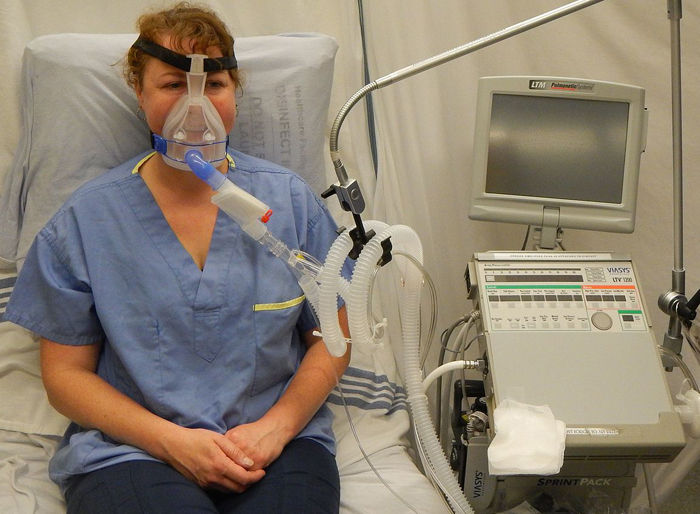
Bilevel positive airway pressure (BiPAP) venting is a noninvasive method used to provide ventilatory assistance to some spontaneously, but insufficiently, breathing individual by means of a facemask or nasal mask. With such a ventilation, BiPAP cycles involving two degrees of continuous positive airway pressure. This mode of ventilation in adults has led to shorter period of ventilation, less demand for sedation, and fewer complications compared to intubation and positive pressure ventilation.24
The data from pediatric patients are somewhat less apparent. In a retrospective chart review of pediatric patients with moderate to moderate hypoxemic respiratory insufficiency, BiPAP has been discovered to enhance gas flow and reduce respiratory rate. Three of 28 kids treated with BiPAP necessary intubation. 25 A randomized trial of pediatric patients with ARF in comparison BiPAP with synchronized intermittent mechanical ventilation and also found no differences in the complications or duration of venting or the requirement for sedation.
As a noninvasive manner of ventilation, BiPAP might be helpful in patients with mild to moderate respiratory collapse, particularly if they have underlying conditions by which preventing intubation is preferable. There seem to be several complications connected with BiPAP. However, one possible complication deserves mention: tachypnea could be alleviated with BiPAP, but gasoline exchange might not be considerably enhanced. This could lead to sudden respiratory failure and detain, if blood gases aren't monitored carefully.


Comments